
Welcome to the Nature Friends Botanical Garden, a living showcase of California’s remarkable plant diversity. Our garden brings together mostly native and regionally adapted plants chosen for their drought tolerance, beauty, and ecological value. Each area highlights a different habitat—from coastal sage scrub to desert slopes—providing food and shelter for pollinators, birds, and other wildlife. As you explore, you’ll see how water-wise gardening and local ecology can come together to create a vibrant, sustainable landscape.
COASTAL CHAPARRAL COMMUNITY
This hillside collection features drought-tolerant shrubs native to California’s coastal foothills. These species thrive in rocky soils and full sun, providing year-round habitat, nectar, and berries for native birds, bees, and butterflies.
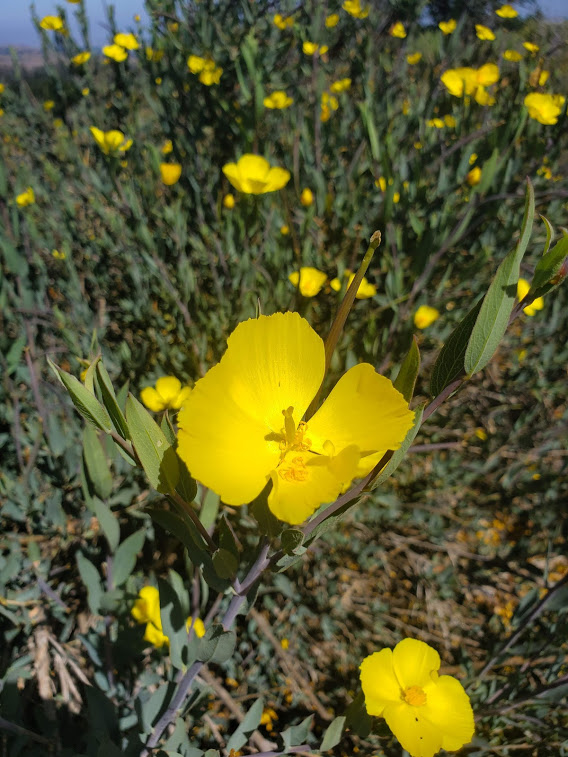
Bush poppy (Dendromecon rigida) – Native to chaparral and rocky slopes; spring nectar and pollen for native insects. Often appears after wildfire from a long-lived soil seed bank; give full sun and excellent drainage. Conservation Status: Not of concern. Jepson eFlora

California buckwheat (Eriogonum fasciculatum) – Common in coastal sage scrub and chaparral; superb pollinator and erosion-control plant. Blooms late into summer–fall and seed heads feed finches and quail; thrives on lean, fast-draining soil with little summer water. Conservation Status: Not of concern. Jepson eFlora
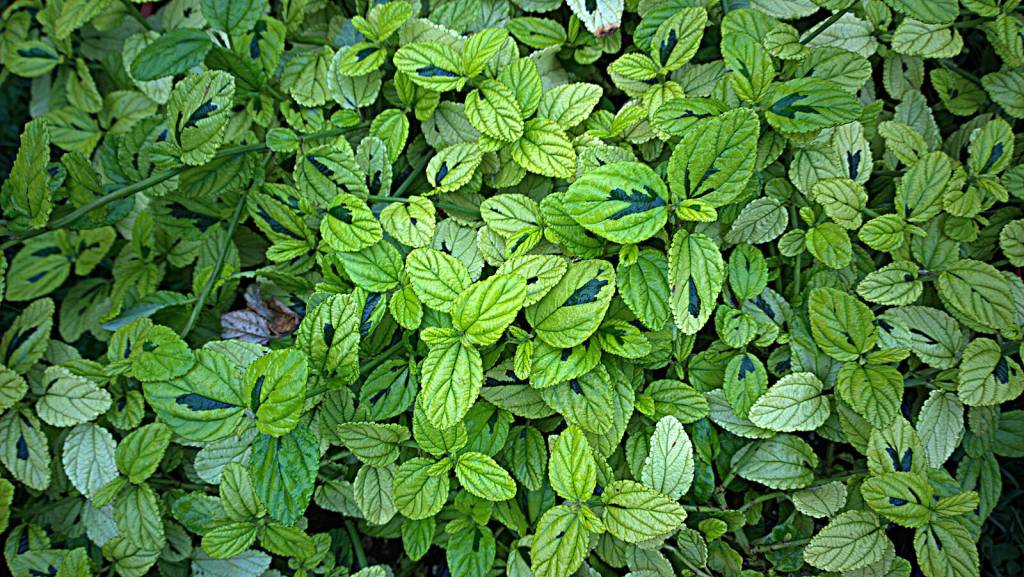
Ceanothus ‘Diamond Heights’ – Variegated groundcover from coastal California; early nectar for bees and shelter for small birds. Prefers afternoon shade inland and very good drainage; avoid summer irrigation once established. Conservation Status: Horticultural selection (not ranked). Calscape

Toyon (Heteromeles arbutifolia) – Evergreen woodland/shrubland species; summer flowers for pollinators and red berries for winter birds. Tough, drought-tolerant, and able to resprout after fire; the holiday “California holly.” Conservation Status: Not of concern. Jepson eFlora
DESERT WILDLIFE GARDEN
Evoking the Mojave and Sonoran Deserts, this bed features silvery, aromatic shrubs and wildflowers that bloom through heat and drought. These desert species offer critical nectar and pollen for bees and butterflies in the driest months.

Apricot mallow (Sphaeralcea ambigua) – Desert native with orange blooms for bees and butterflies. Loves heat and poor soil; shear lightly after peak bloom to keep it compact and blooming. Conservation Status: Not of concern. Jepson eFlora
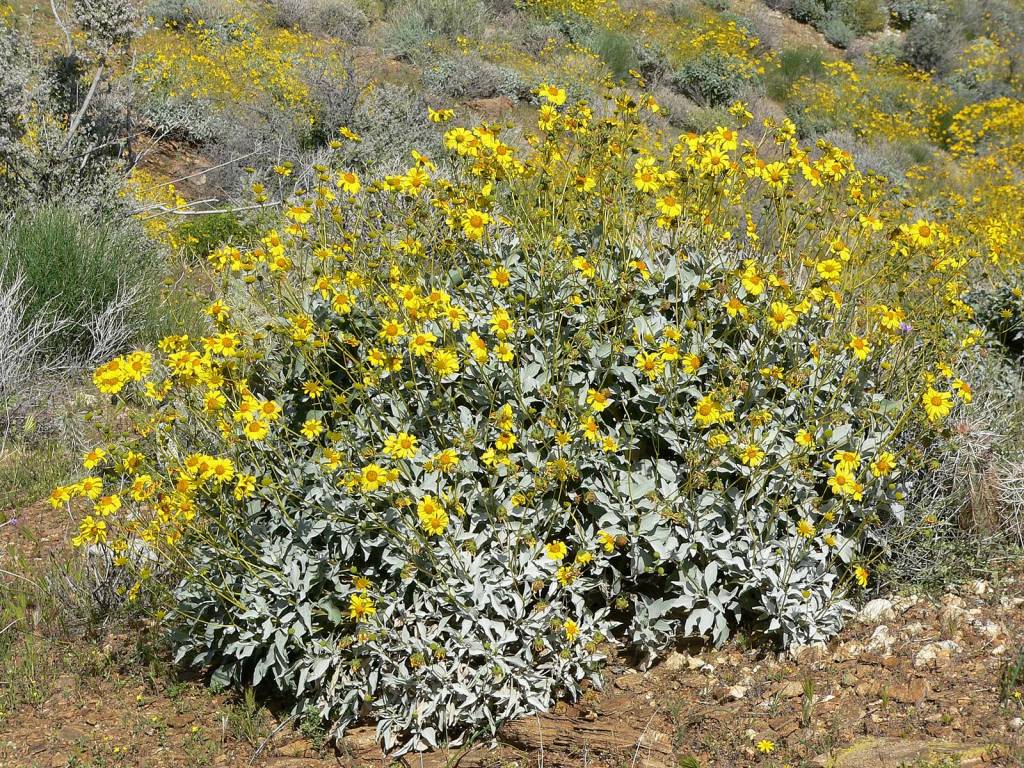
Brittlebush (Encelia farinosa) – Hot-slope specialist; important early nectar for desert bees. Drought-deciduous leaves drop in extreme dryness and aromatic resin earned it the name “incienso”; thrives in reflected heat. Conservation Status: Not of concern. Jepson eFlora
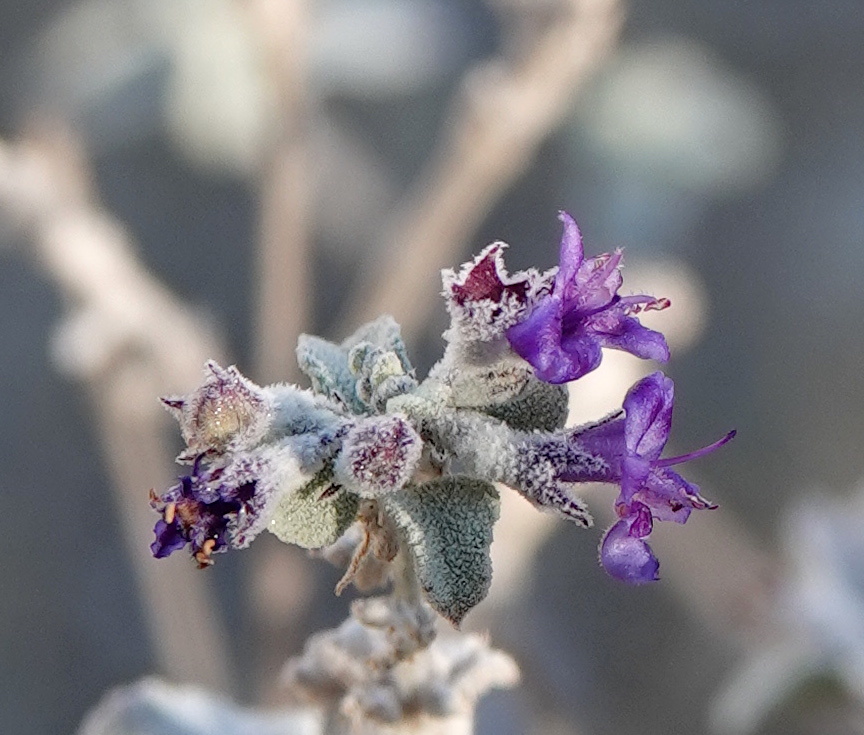
Desert lavender (Condea emoryi) – Fragrant shrub of washes and canyons; swarmed by bees, butterflies, and hummingbirds. Handles intense sun and wind; light pruning after bloom keeps it dense. Conservation Status: Not of concern. Jepson eFlora
ISLAND & DESERT EDGE ECOZONE
This transitional zone unites plants from the Channel Islands and California’s desert edges. Many are rare or endemic, adapted to hot, dry conditions yet close to the coast, showing California’s remarkable ecological diversity.

Baja California senna (Senna purpusii) – Baja shrub with bright yellow flowers that draw sulphur butterflies. Heat-loving and very drought tolerant; lightly prune after flowering to shape. Conservation Status: Not ranked in CA. Calflora
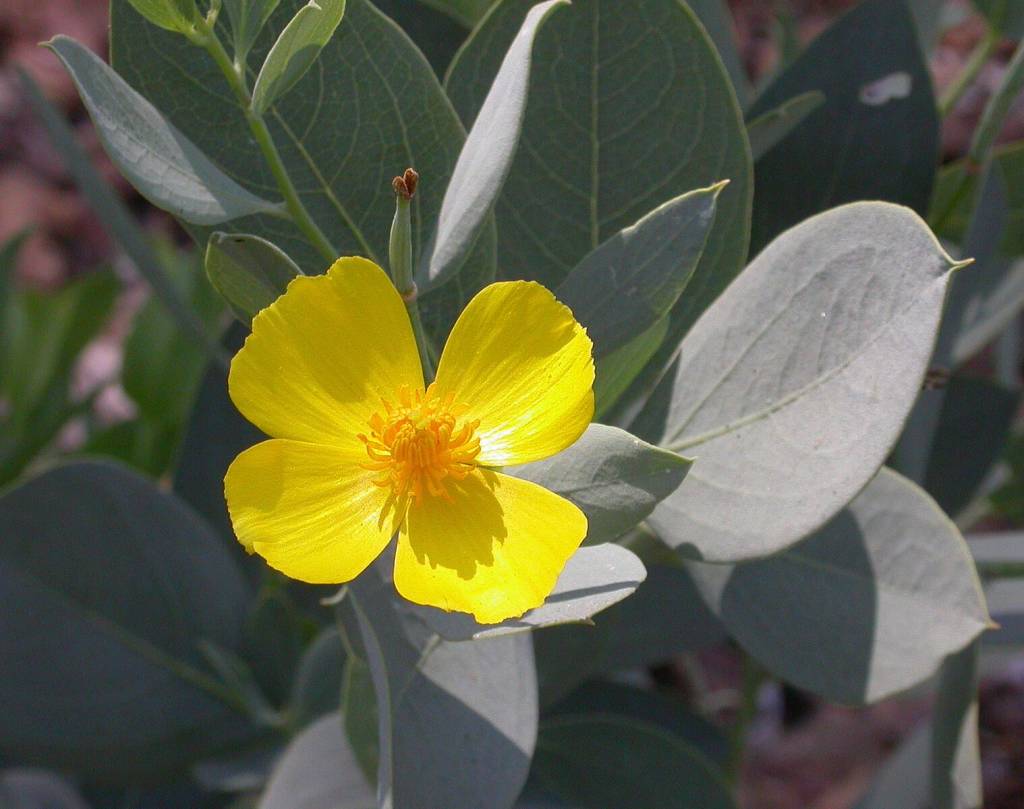
Channel Islands bush poppy (Dendromecon harfordii) – Channel Islands endemic with showy yellow cups for early pollinators. Grows fast on rocky, well-drained soils and appreciates minimal summer water inland. Conservation Status: CNPS Rank 3.2 (watch list). Jepson eFlora

Indian mallow (Abutilon palmeri) – Velvety gray leaves and orange flowers; long-season nectar for pollinators. Thrives in heat with occasional deep watering; pinch for a fuller, shrubbier form. Conservation Status: Not of concern. Jepson eFlora
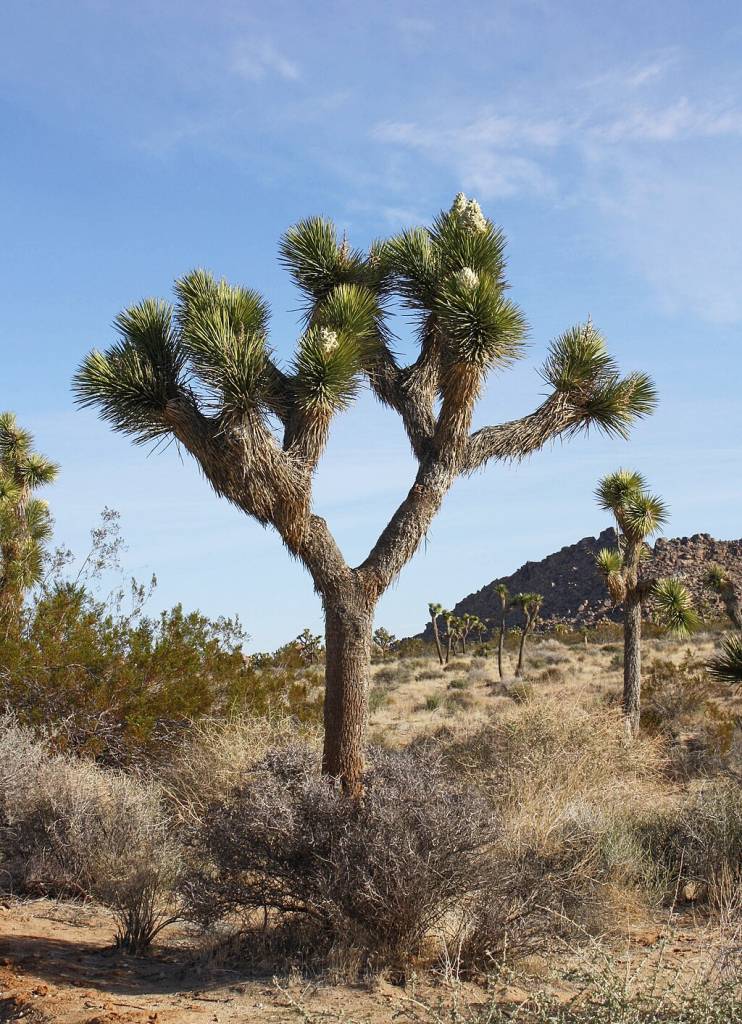
Joshua tree (Yucca brevifolia) – Mojave icon pollinated by yucca moths; nesting sites and perches for desert birds. Extremely slow-growing and sensitive to transplanting; protect seedlings and keep the root zone dry. Conservation Status: IUCN Least Concern; protected under California’s Western Joshua Tree Conservation Act (2023). CA Dept. of Fish & Wildlife
SUNFIELD DISPLAY
A bright showcase of California’s native sun-loving perennials. These long-blooming plants fill the garden with gold and attract bees and butterflies through the summer.

‘El Dorado’ bush sunflower (Encelia californica ‘El Dorado’) – Coastal sage scrub perennial; long bloom that fuels pollinators. Cut back in late summer if lanky to refresh growth and extend flowering into fall. Conservation Status: Horticultural selection. Calscape
HUMMINGBIRD TERRACE
This terrace was designed for color and motion. Year-round nectar from Baja and California natives draws hummingbirds, butterflies, and native bees close to gathering areas.

Red fairy duster (Calliandra californica) – Baja native with bright red puffball flowers beloved by hummingbirds. Blooms nearly year-round in frost-free spots; thrives on low water once established. Conservation Status: Not CA native. Calscape
CLIFF AND COASTAL SLOPE GARDEN
Inspired by rocky bluffs and canyon faces, this area features hardy plants that cling to slopes and thrive in intense sun and fast-draining soils.
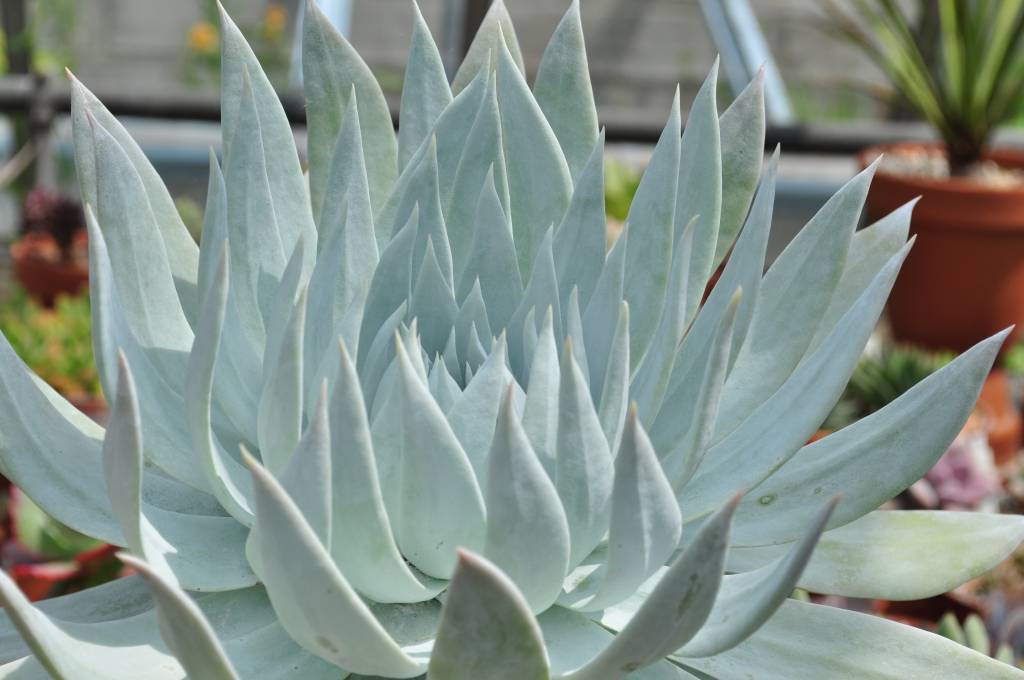
Chalk dudleya (Dudleya brittonii) – Baja cliff succulent with chalky white rosettes; tubular flowers draw hummingbirds. Needs sharp drainage and a dry summer rest; the leaf “chalk” helps reflect intense sun. Conservation Status: Not ranked in CA (Baja species). Calscape
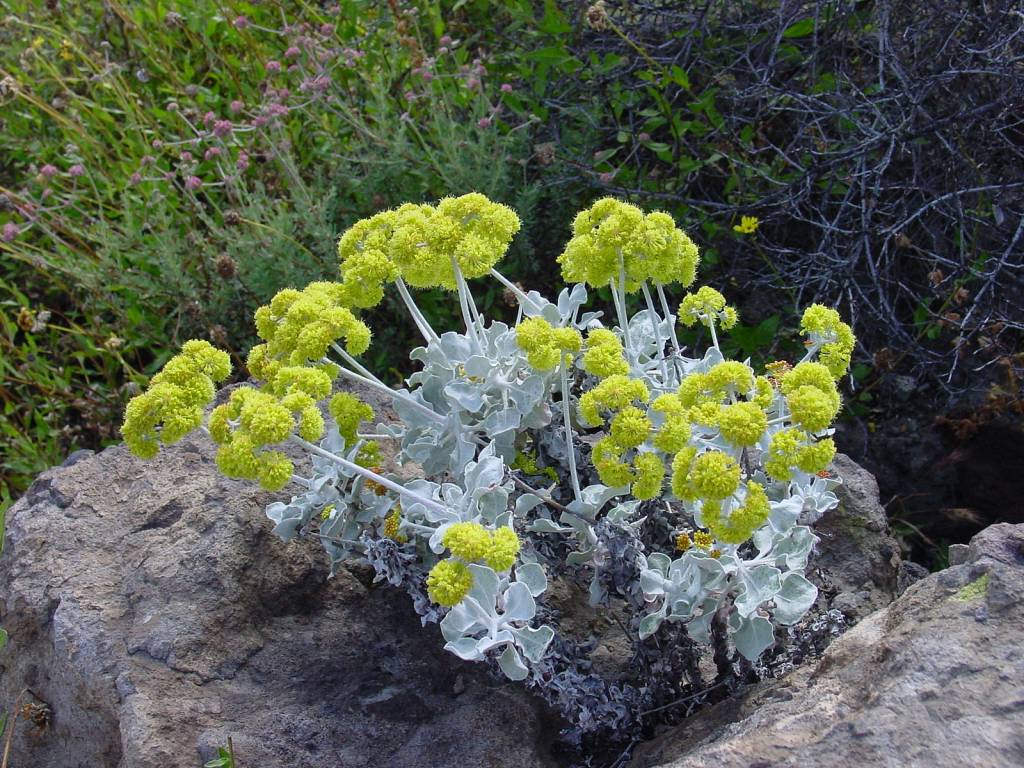
Conejo buckwheat (Eriogonum crocatum) – Ventura County endemic; silver foliage and sulfur-yellow blooms. Demands fast drainage and minimal summer water; stunning in rock crevices. Conservation Status: CNPS Rank 1B.2 (rare). CNPS RPI

‘Winifred Gilman’ Cleveland sage (Salvia clevelandii ‘Winnifred Gilman’) – Intensely fragrant violet-blue whorls loved by bees and hummingbirds. Give full sun and lean soil; shear lightly after bloom to keep a dense mound. Conservation Status: Horticultural selection. Calscape
COASTAL MEADOW BORDER
Soft textures and spring color define this border, echoing natural meadowlands of coastal California where irises, yarrows, and grasses provide continuous habitat for pollinators.
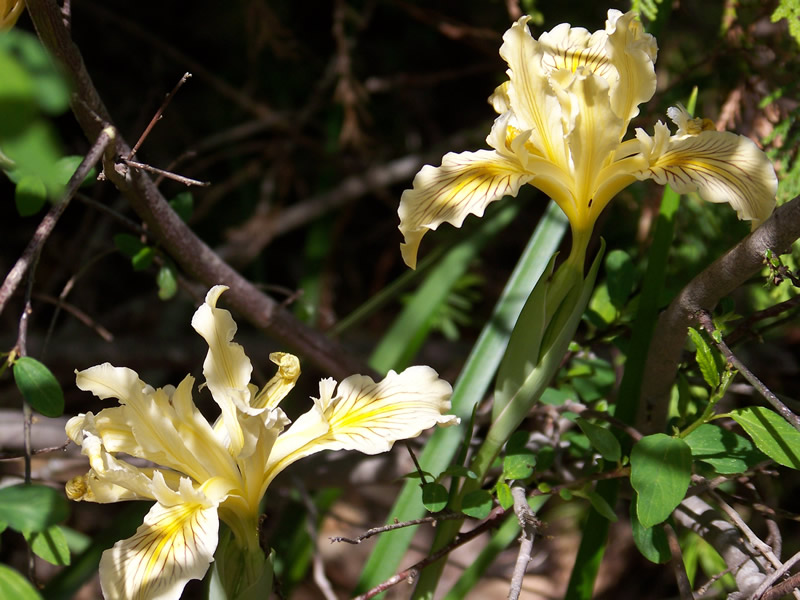
Pacific Coast hybrid iris (Iris ‘Pacific Coast Hybrids’) – Garden hybrids from California coastal iris species; early-season nectar for pollinators. Plant in fast-draining soil and keep drier in summer; avoid disturbing established clumps. Conservation Status: Garden hybrids (not ranked). Society for Pacific Coast Native Iris
COASTAL SCRUB SLOPE
This slope is planted with evergreen groundcovers typical of Central California’s coastal scrub. They stabilize soil, prevent erosion, and provide springtime nectar for bees and butterflies.

Ceanothus ‘Yankee Point’ Ceanothus thyrsiflorus – Classic coastal groundcover with abundant spring bloom for bees and dense bird shelter. Excellent on banks; tolerates salt spray; prune lightly and avoid summer irrigation once established. Conservation Status: Horticultural selection. Calscape
FOOTHILL EVERGREEN GARDEN
Showcasing California’s evergreen shrubs, this garden reflects the vegetation of lower mountain foothills, with glossy leaves and showy blooms that support native insects and birds.
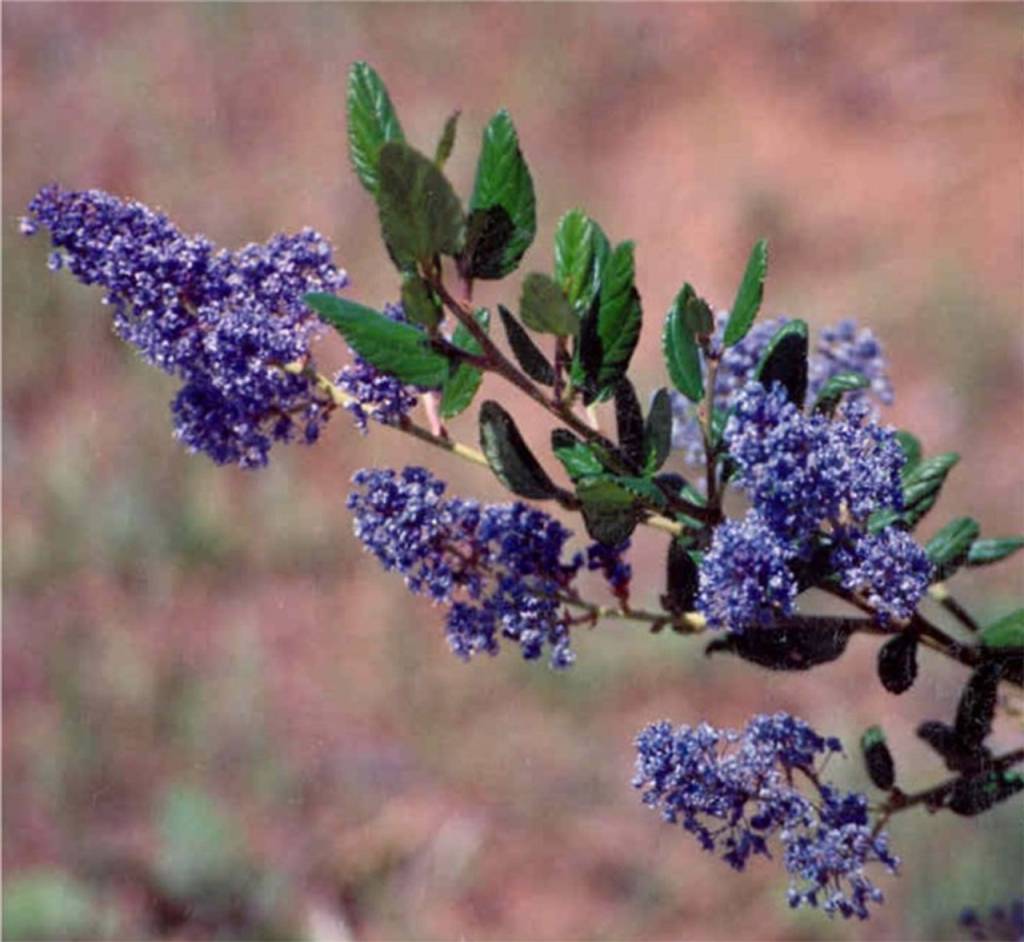
Ceanothus ‘Ray Hartman’ – Large, fast-growing hybrid with deep blue spring flowers for early pollinators. Can be trained as a small tree; thrives with dry summers and excellent drainage. Conservation Status: Horticultural selection. Calscape

Silk tassel bush (Garrya elliptica) – Coastal evergreen with elegant winter catkins and sturdy wildlife cover. Wind- and salt-tolerant; male plants show the longest catkins for winter display. Conservation Status: Not of concern. Jepson eFlora
COASTAL POLLINATOR PLANTING
This garden ties the east and west slopes together with sun-loving, water-wise species that bloom across seasons, offering continuous resources for bees, butterflies, and birds.
Ceanothus ‘Diamond Heights’ – Variegated groundcover with spring bloom for bees and cover for small birds. Best with morning sun/afternoon shade inland and minimal summer water. Conservation Status: Horticultural selection (not ranked). Calscape
Pacific Coast hybrid iris (Iris ‘Pacific Coast Hybrids’) – Early-season nectar for pollinators; splendid in dappled light. Provide drainage and a summer-dry period like their coastal parents. Conservation Status: Garden hybrids (not ranked). Society for Pacific Coast Native Iris
Toyon (Heteromeles arbutifolia) – Showy winter fruit for birds and summer bloom for pollinators. Deep, infrequent watering during establishment builds drought resilience; light thinning after fruit set maintains form. Conservation Status: Not of concern. Jepson eFlora
WILDLIFE SHRUB BORDER
This border demonstrates how native shrubs can serve both as ornamental and wildlife habitat, providing food and shelter for birds and pollinators year-round.
Ceanothus ‘Diamond Heights’ – Variegated cover with spring bloom that draws bees and provides shelter for small birds. Keep on the dry side in summer; trim lightly to maintain spread. Conservation Status: Horticultural selection (not ranked). Calscape
Toyon (Heteromeles arbutifolia) – Reliable wildlife shrub: nectar for insects, berries for birds, and dense branching for cover. Handles heat and drought once established; can resprout after fire. Conservation Status: Not of concern. Jepson eFlora
COASTAL SAGEBRUSH & ISLAND HABITATS
A blend of coastal sage scrub and Channel Islands endemics, this hillside demonstrates the diversity of Southern California’s coastal ecosystems, vital for hummingbirds, butterflies, and songbirds.
California fuchsia (Epilobium canum) – Late-season red flowers are hummingbird magnets. Cut back hard in late winter to refresh growth and keep it floriferous. Conservation Status: Not of concern. Jepson eFlora
California sagebrush (Artemisia californica) – Aromatic keystone of coastal sage scrub providing cover and foraging structure. Thrives on neglect in sun and fast-draining soils; trim lightly to prevent legginess. Conservation Status: Not of concern. Jepson eFlora
‘Canyon Sparkles’ manzanita (Arctostaphylos insularis ‘Canyon Sparkles’) – Santa Cruz Island selection; winter urn-flowers for bees and berries for wildlife. Requires excellent drainage and a summer-dry regime; smooth bark adds year-round interest. Conservation Status: Horticultural selection. Santa Barbara Botanic Garden
Ceanothus ‘Skylark’ – Compact blue-flowered selection; valuable early nectar pulse for native bees. Drought-tolerant once established; avoid summer watering and heavy pruning. Conservation Status: Horticultural selection. California Flora Nursery
Deergrass (Muhlenbergia rigens) – Durable bunchgrass providing cover for ground-nesting birds and erosion control. Shear to 6–8 inches in late winter to renew; long used as a core material in California Indian basketry. Conservation Status: Not of concern. Jepson eFlora
Santa Cruz Island buckwheat (Eriogonum arborescens) – Island endemic with a long nectar season for bees and butterflies; dried flower heads persist for structure. Prefers rocky, fast-draining soils and minimal summer water. Conservation Status: Not of concern. Jepson eFlora
Seaside daisy ‘Wayne Roderick’ (Erigeron glaucus ‘Wayne Roderick’) – Long-blooming coastal selection; butterflies love the daisies and finches pick at the seeds. Tolerates wind and salt spray; a quick trim can trigger fresh bloom. Conservation Status: Horticultural selection. Calscape
Creeping black sage ‘Mrs. Beard’ (Salvia mellifera selection) – Low, aromatic groundcover sage buzzing with native bees in spring. Give full sun and dry summers; a light post-bloom shear tightens the mat. Conservation Status: Horticultural selection. Jepson eFlora
We invite you to enjoy the garden, learn from it, and become part of its ongoing story. Every plant here was chosen and cared for by volunteers who believe in restoring beauty, supporting wildlife, and living in balance with our local environment. If you’d like to help us grow, join one of our volunteer days or support our Nature Friends Foundation—your participation keeps this landscape thriving for generations to come.
All plant information verified through Jepson eFlora, Calscape, CNPS Rare Plant Inventory, and USDA/Calflora databases (updated 2025).